girls
When HIV/AIDS leaves children orphaned, girls are particularly vulnerable. Without the protection of their parents, they are often forced to drop out of school to work. This means they not only lose the chance to create a better future for themselves, they also miss vital information on avoiding HIV infection and treating AIDS. This is particularly a concern because children whose parents die of AIDS or AIDS-related diseases are more likely to become infected by the disease, and girls are more likely to become infected than boys.
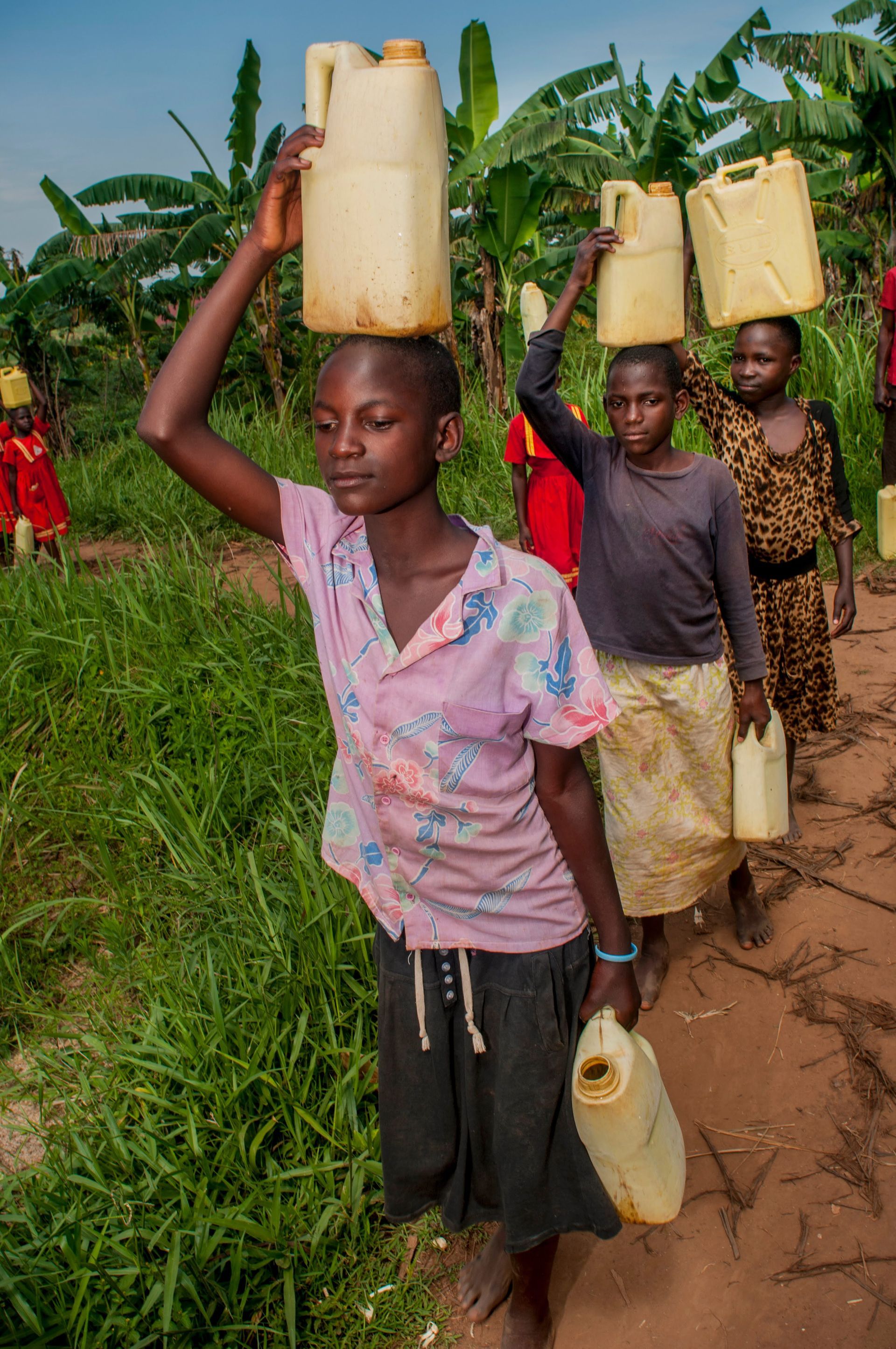
As orphans, girls are also left to shoulder the greater burden of care. Even at a very young age, they often look after siblings and foster siblings, work in the gardens, put food on the table and run the household. Their emotional and physical well-being is jeopardized by these adult responsibilities. They also lose nearly every aspect of their childhood – an education, time to play and rest, participation in community activities and nurturing from adults.
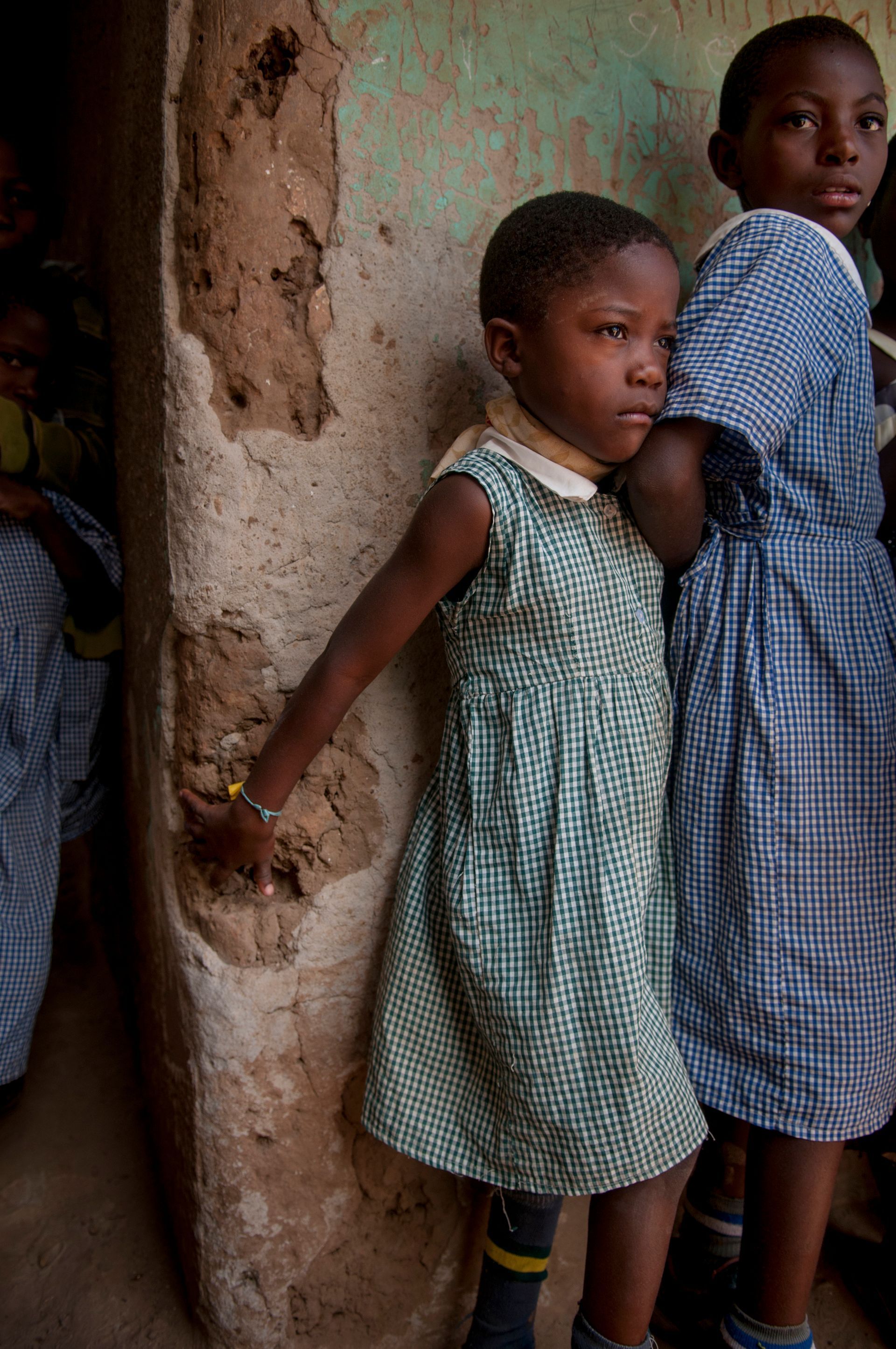
AIDS orphans in Uganda are often stigmatized by their circumstances, and girls suffer the greatest for this discrimination. They may be mistreated or ignored by their guardians, their material needs may go unmet, they are at the greatest risk of malnutrition and they are unlikely to receive basic health care. Their labor is often exploited, and they are more likely than boys to be engaged in hazardous forms of labor. Orphaned girls also become victims of violence and sexual abuse, from which they may have no source of protection.
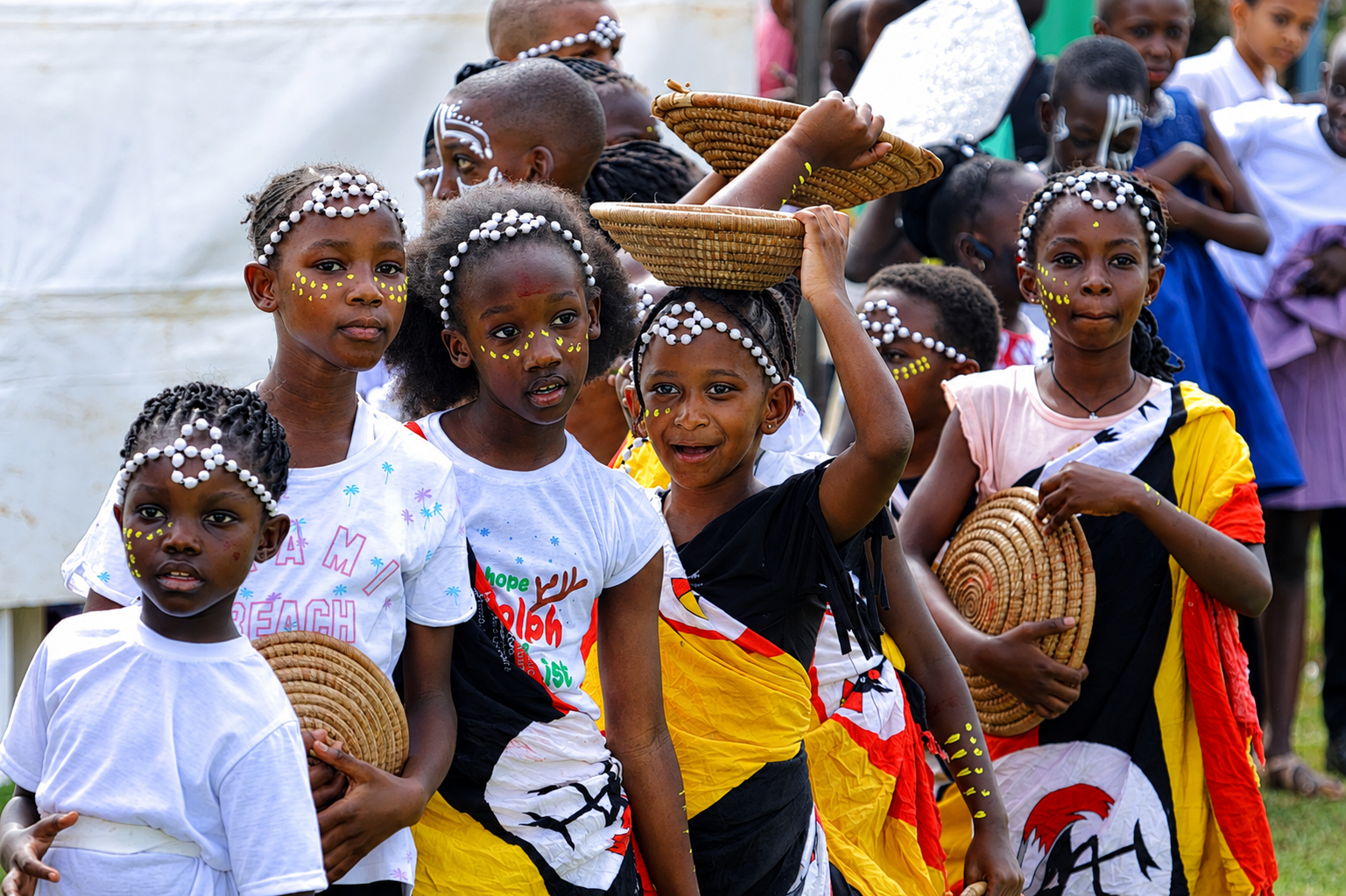
It is the aim of Bambi Uganda Orphans to protect orphaned girls from these and other problems. We do this by supporting girls in all of our program areas:
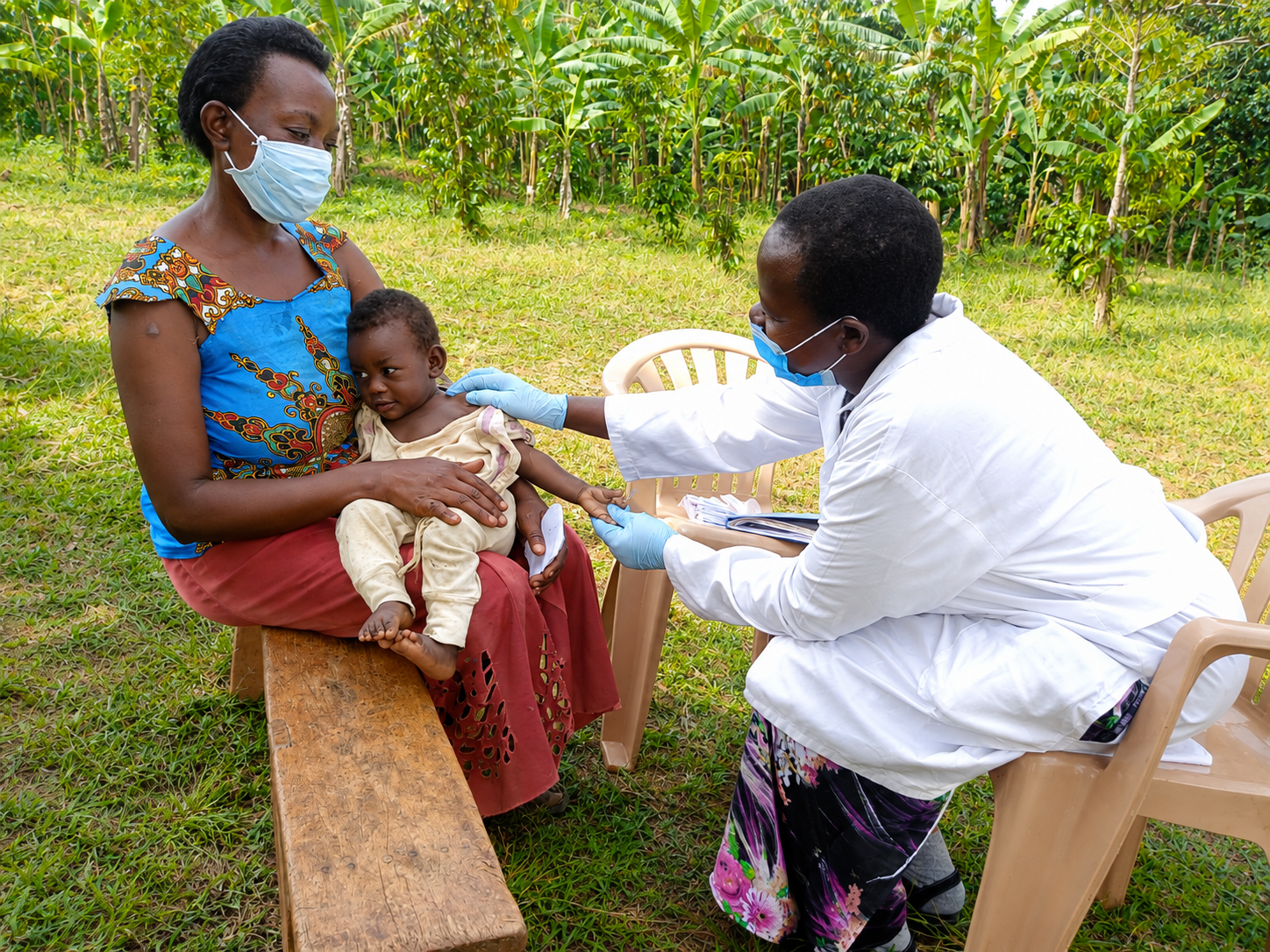
Health
We support projects that prioritize the unique concerns of Ugandan girls, such as their vulnerability to HIV/AIDS, unwanted pregnancies and sexual abuse. We also provide aid to programs that address maternal health and women’s health issues.
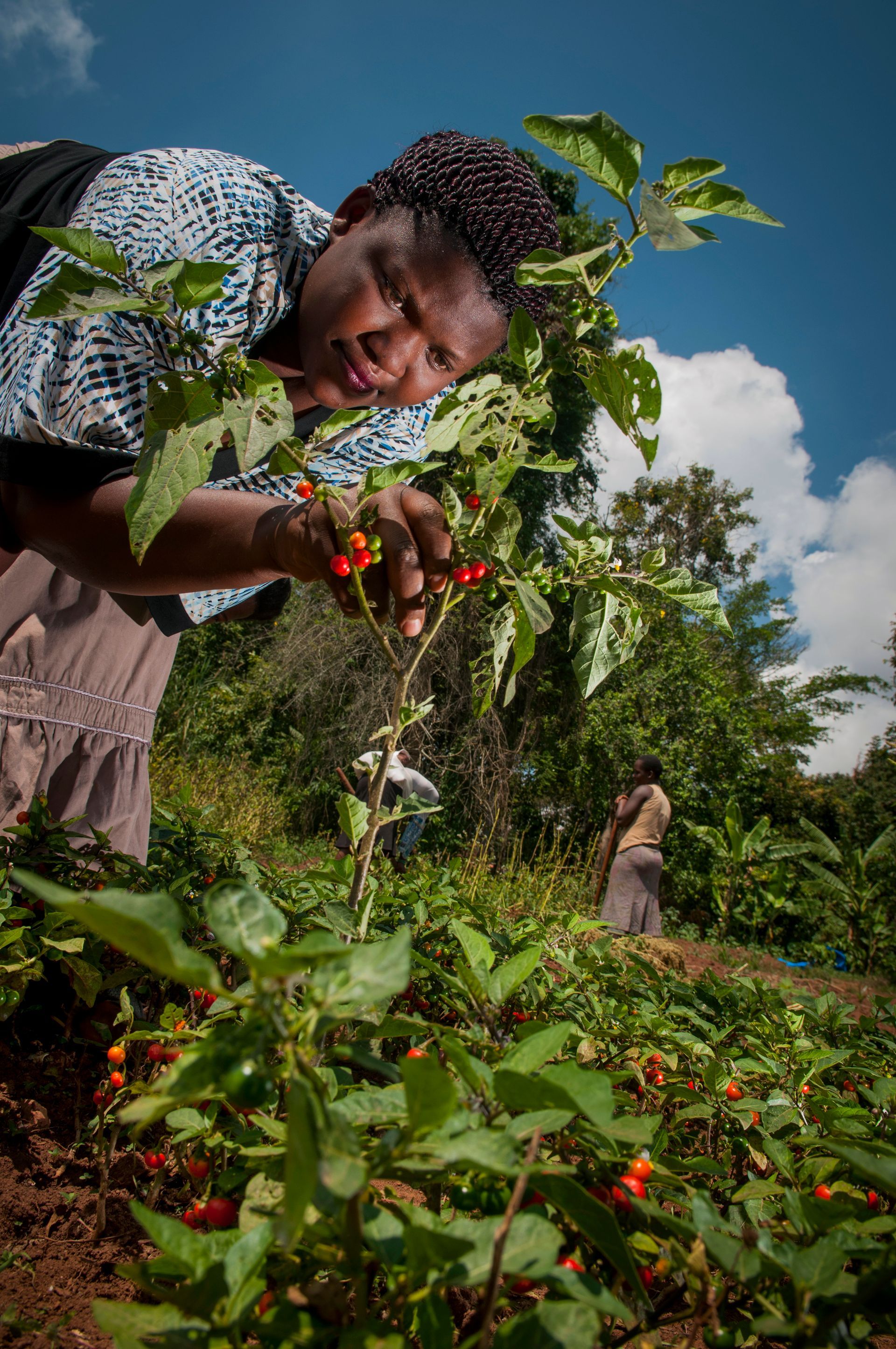
Education
We prioritize young orphaned girls for school scholarships. We also provide older girls with vocational education opportunities so that they have the skills to earn income and become financially self-sufficient. To address the high rate of girls dropping out of school, we fund the building of separate girls’ latrines. This is critical to ensuring these children have adequate facilities to maintain their privacy and dignity.
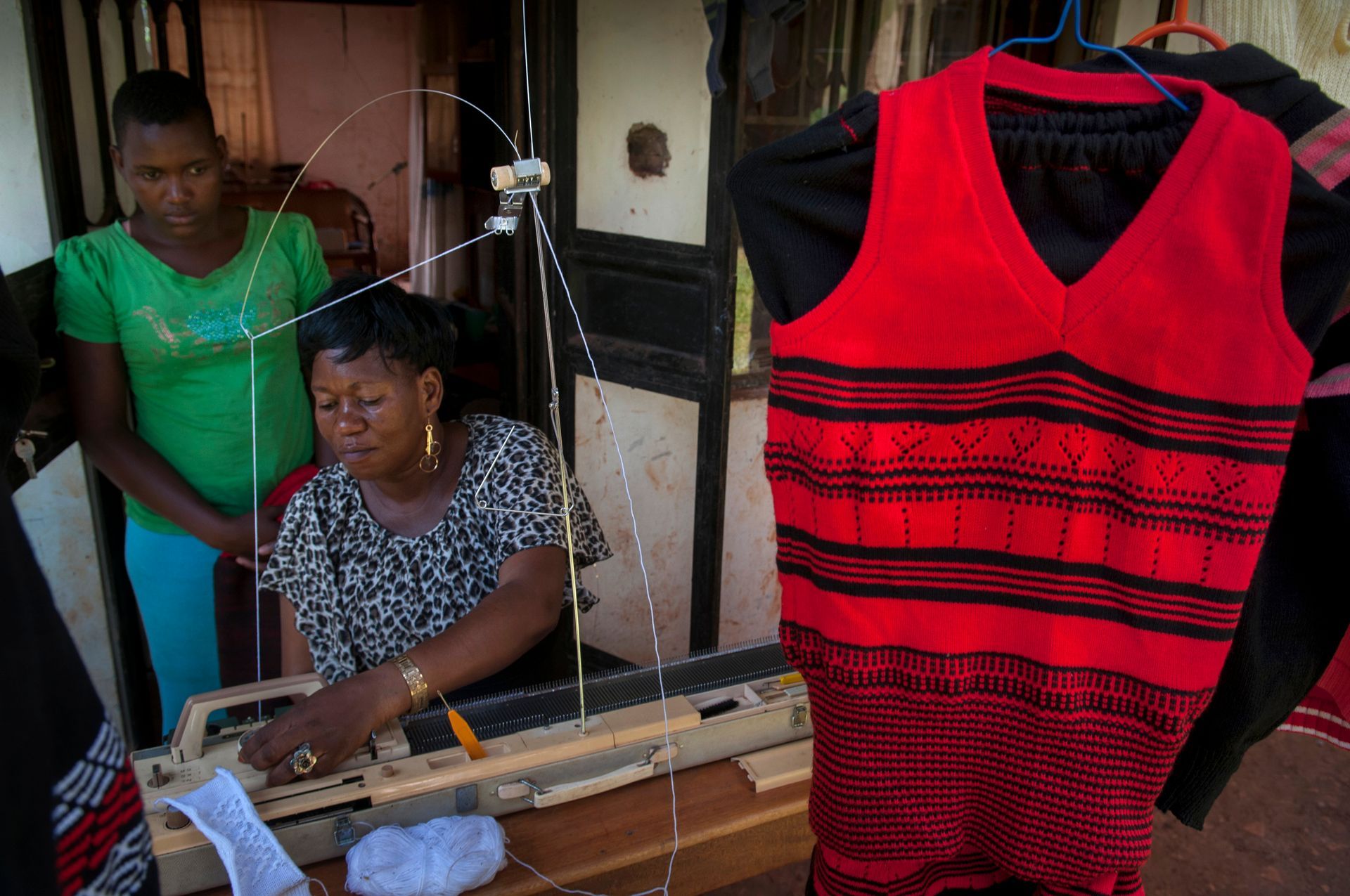
Income Generation
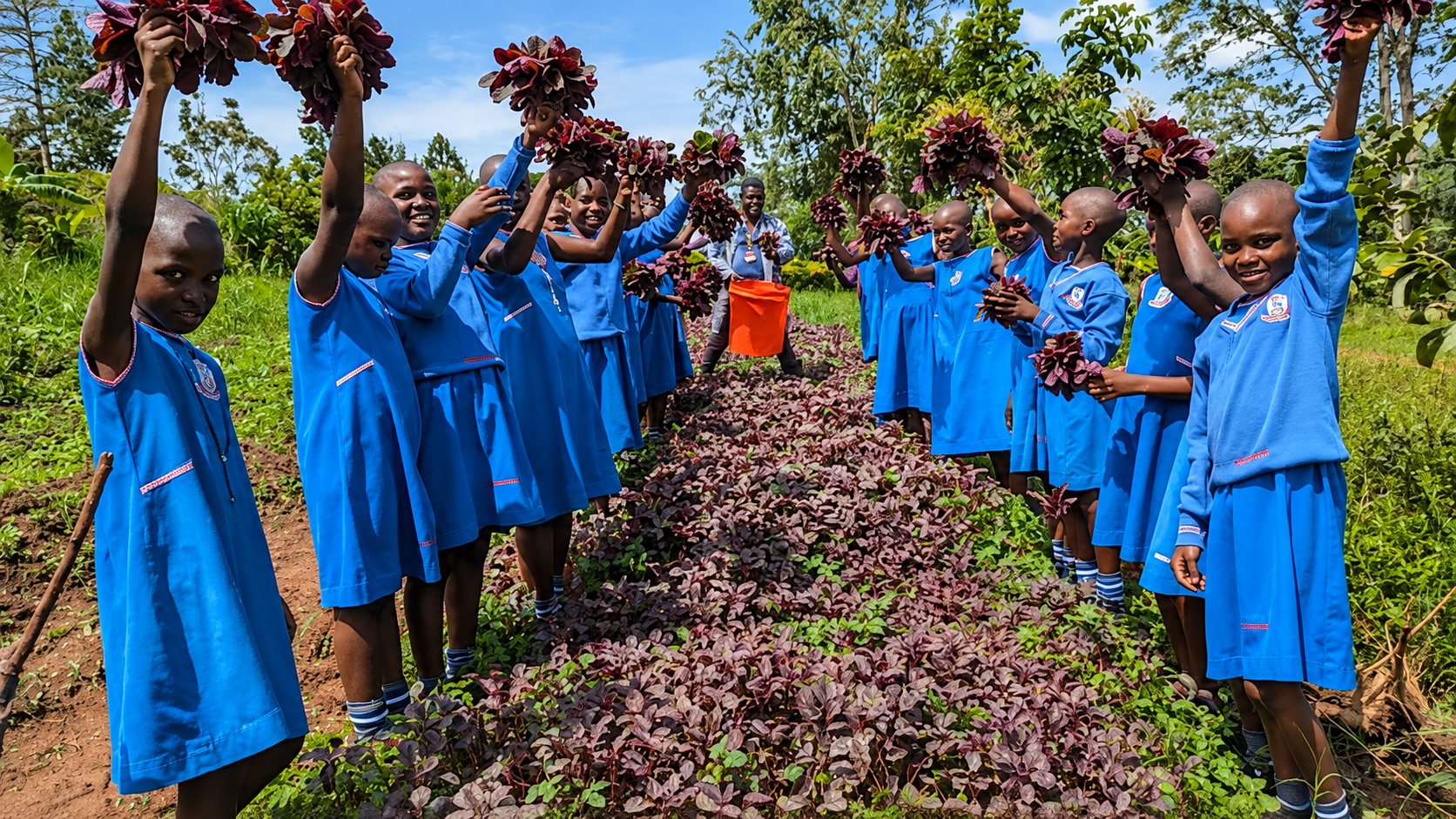
We provide business training and grants so that rural women and older girls can start businesses such as knitting, sewing, poultry farming, animal rearing and other small enterprises. This helps them become empowered and financially self-sufficient.
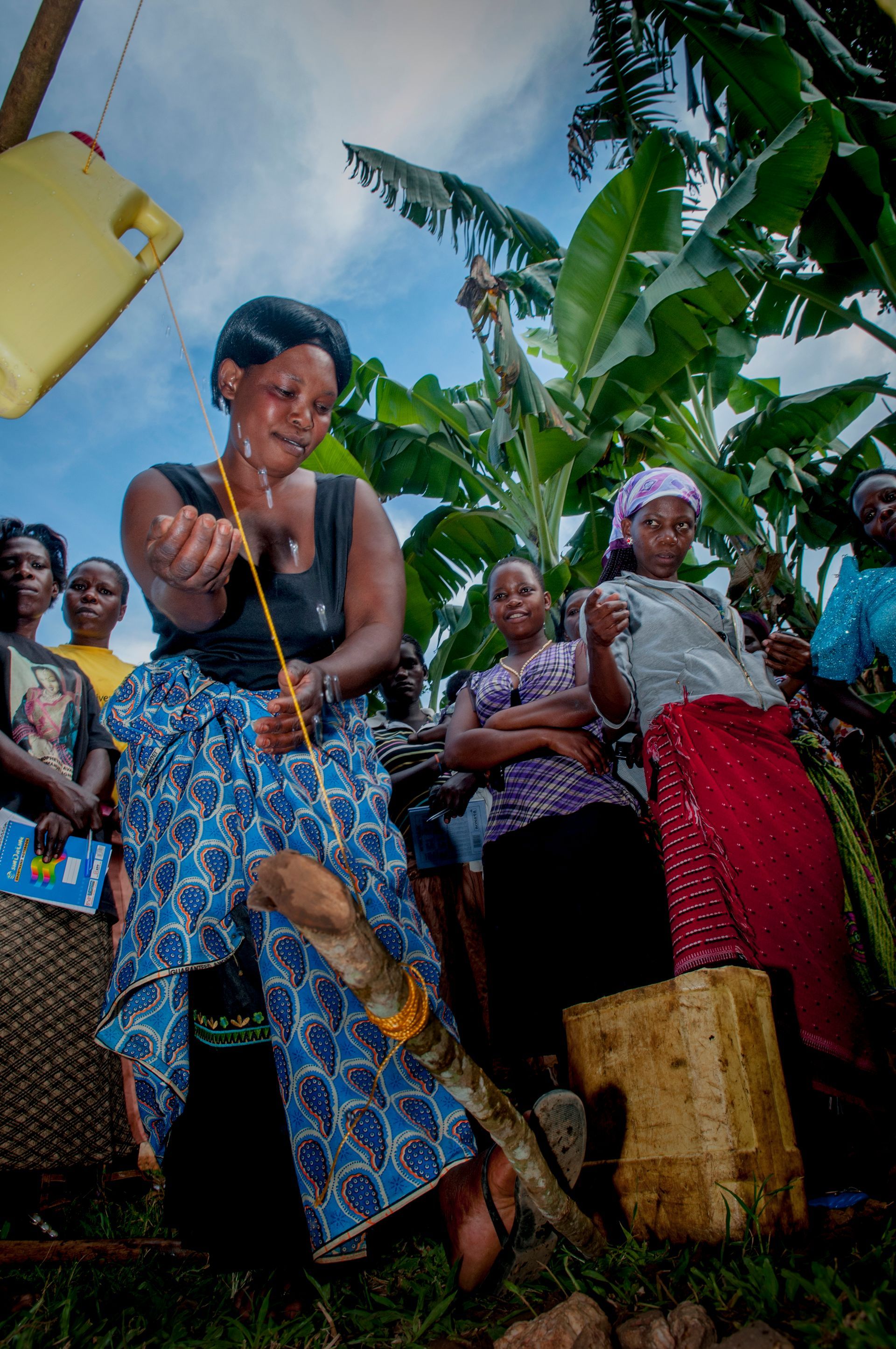
Capacity Building
We help community-based organizations design development projects that are not just gender-neutral – a concept that often overlooks the unique needs of girls – but which prioritize the best interests of girls. Staff, community leaders and youth who are trained through our programs receive the skills and information they need to implement projects that are gender aware. We also help peer educators learn how to teach others in the community about meeting the needs of girls.