wash
Clean Water Close to Home Changes Everything
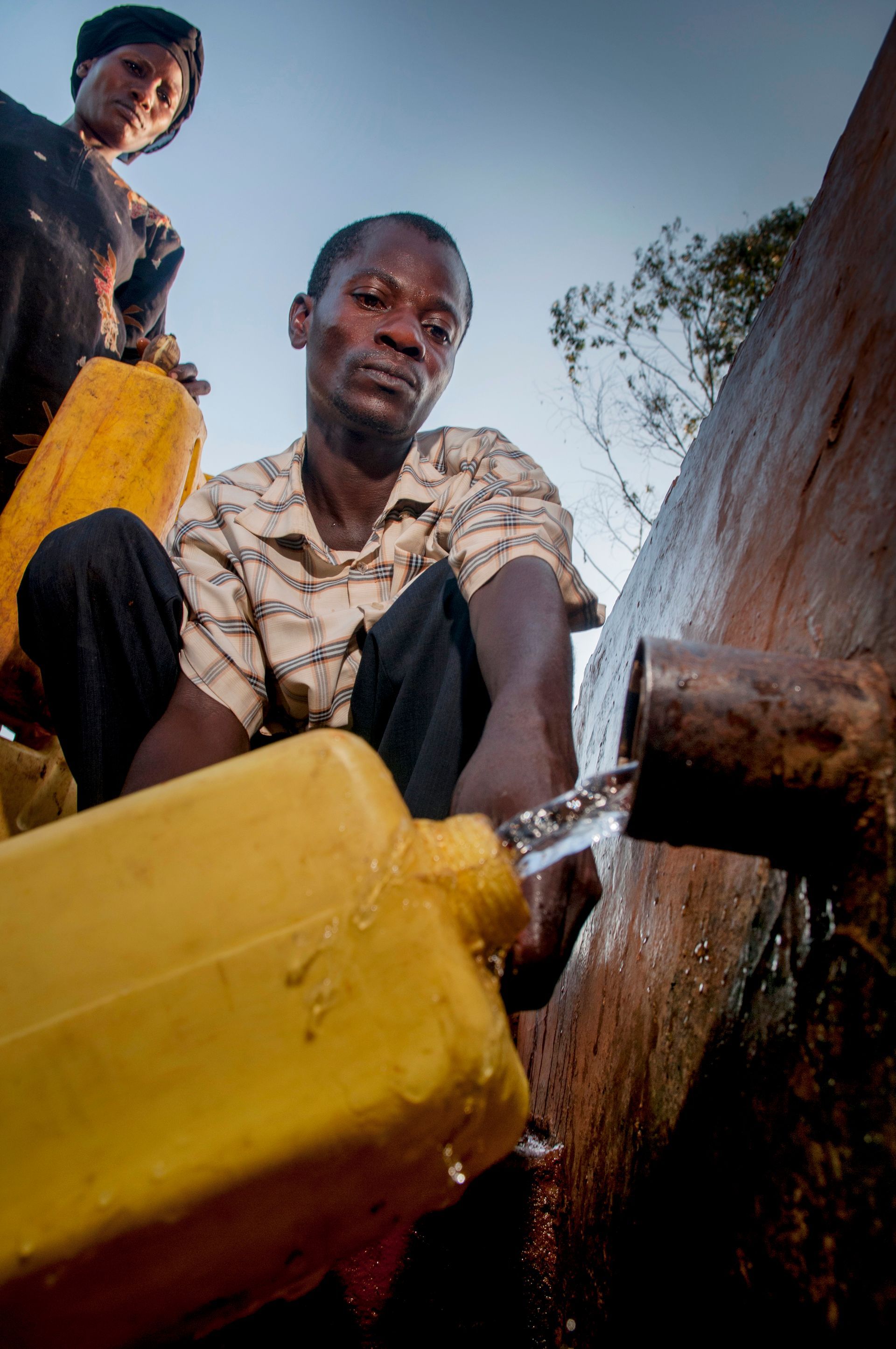
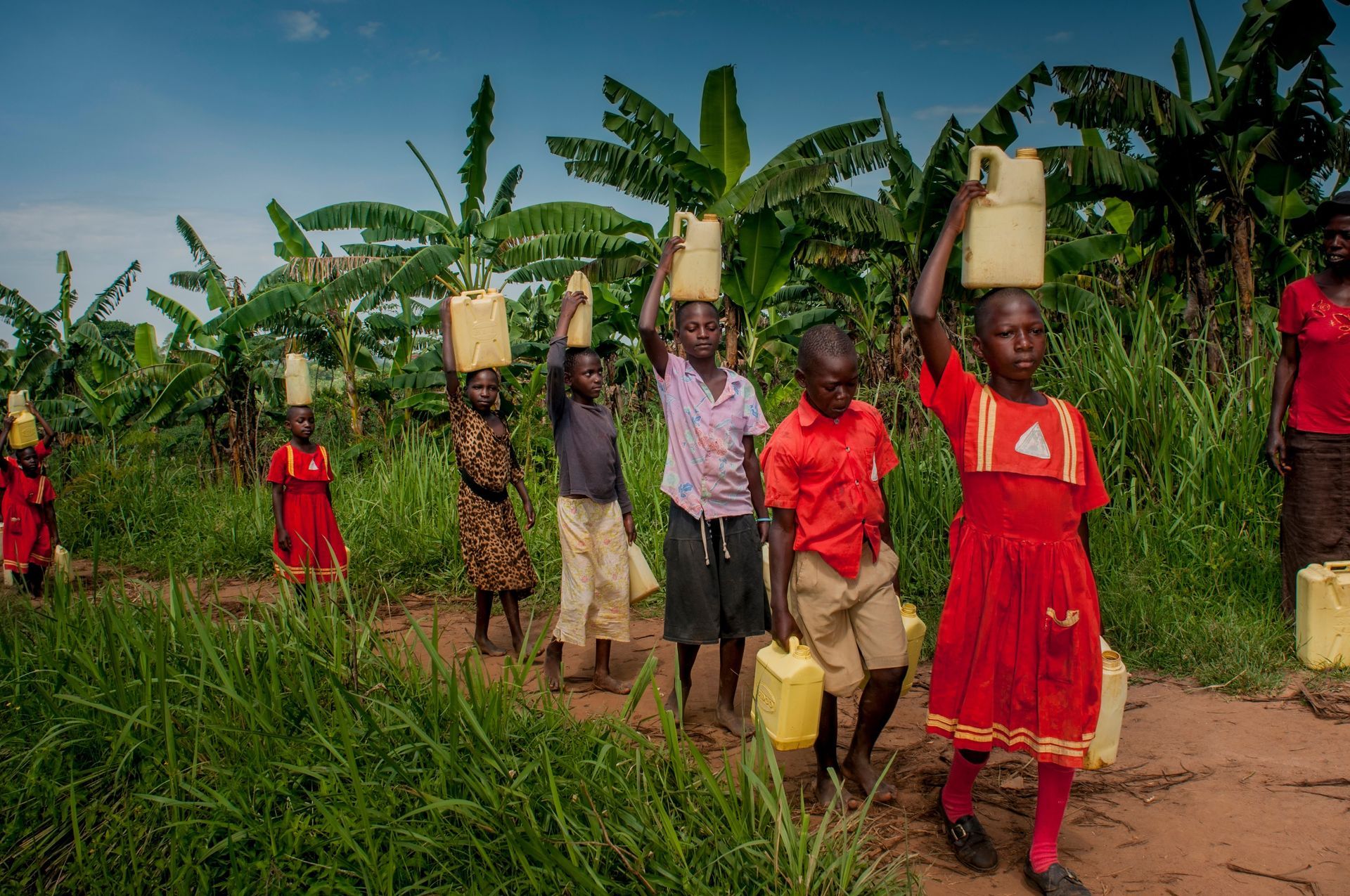
An estimated 81% of Ugandans lack access to clean, safe water. In rural communities, women and children — disproportionately girls — walk up to five miles a day to reach unsafe water sources. Waterborne disease remains a leading cause of childhood mortality, and women and girls risk sexual assault on long walks to fetch water. Since 2000, BKB has brought clean, easily accessible water to more than 281,000 people across Uganda.
Our WASH Impact
281,054
People with access to clean water
35,504
Households served by WASH programming
245
Protected springs built
44
Boreholes drilled
64
Rainwater harvesting tanks installed
92
Water storage containers provided to elderly and disabled residents unable to travel to water sources
Sanitation And Hygiene Education
Access to clean water is only part of the picture. BKB's hygiene education workshops teach practical, low-cost sanitation practices that meaningfully reduce disease risk: constructing handwashing stations, building dish racks and compost pits, and protecting food from contamination.
The impact of this education became visible during COVID-19, when communities that had learned hygiene practices through BKB were already prepared — handwashing and sanitation were ingrained habits, not new instructions.
Beyond households, BKB trains school communities in hygiene and sanitation, supplying hygiene kits, handwashing stations, and educational materials to schools across Uganda.
A borehole or protected spring can provide clean water to an entire community for decades.
Fund one today.