health and wellness
Health Education and
Vocational Skills Training
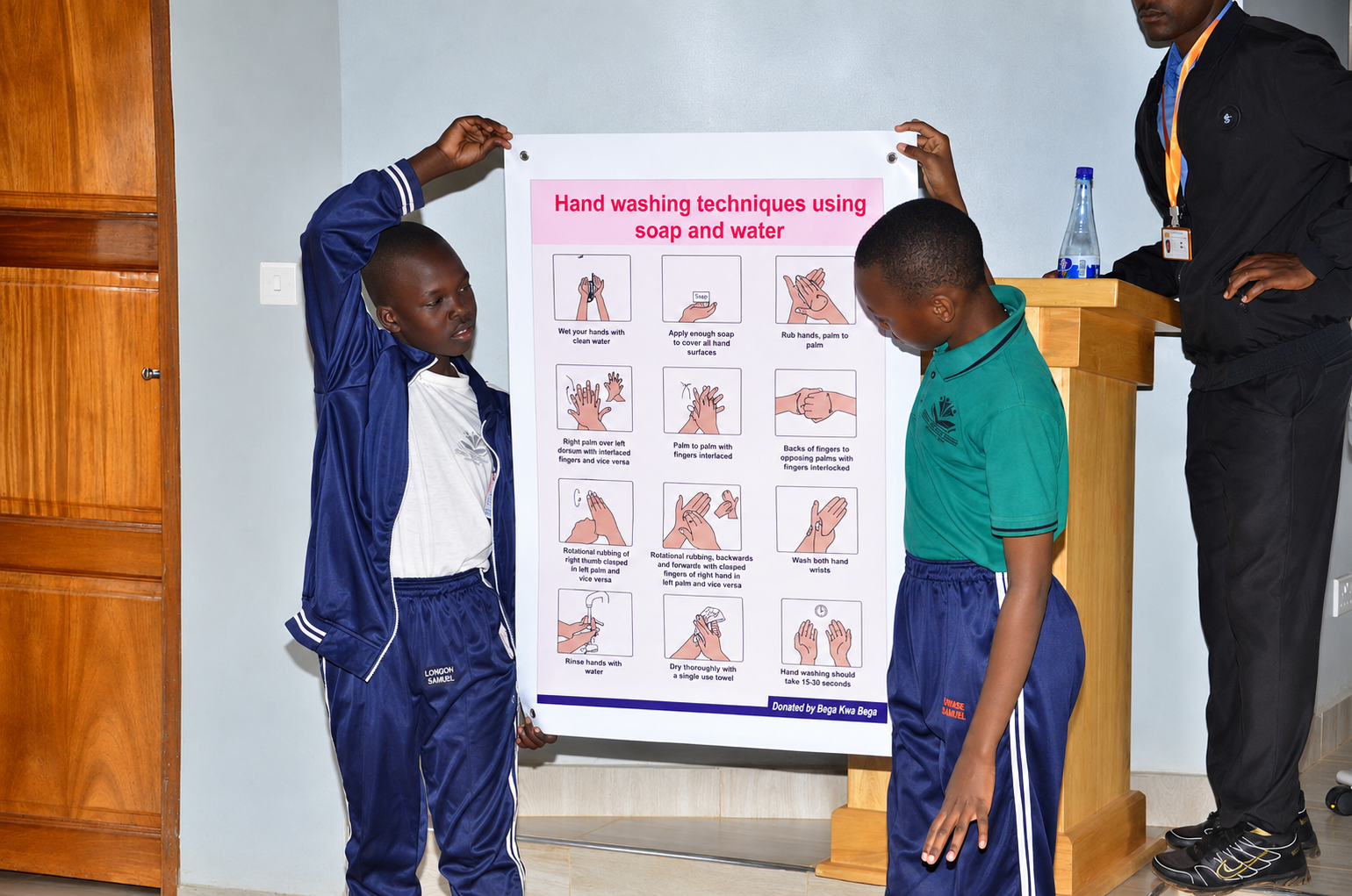
Adolescence is a pivotal window — a period during which the knowledge, skills, and support young people receive, or don't receive, can set the course of their entire lives. For girls in Uganda, it is also a period of acute risk: school dropout rates spike, early marriage and unintended pregnancy derail futures, and gender-based violence disproportionately affects girls navigating the transition into adulthood. For boys, adolescence shapes the attitudes and behaviors toward women and girls that they will carry into adult relationships and communities. BKB's Adolescent Health and Wellness program addresses both sides of this picture — equipping young people with the skills, knowledge, and support to make informed choices and build self-determined futures.
Why This Matters
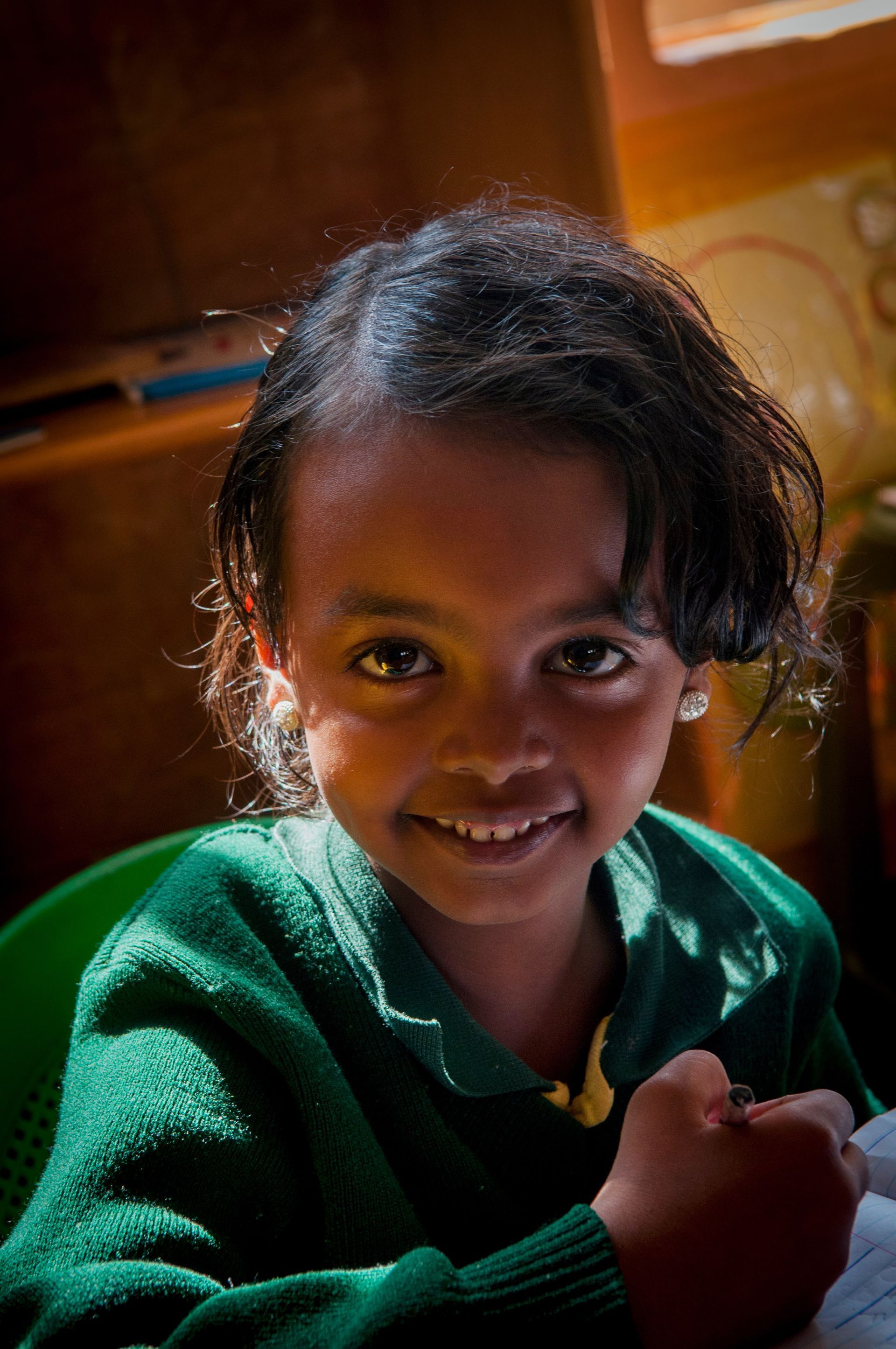
For Girls
Girls in rural Uganda carry a disproportionate burden. When resources are scarce, girls are often the first to be pulled from school to care for siblings, fetch water, and support the household. As they enter adolescence, risks compound: misinformation about puberty and menstruation causes missed school days and drives dropout; social pressure to marry early and vulnerability to abuse narrow their options further; and a lack of safe spaces to ask questions or seek help leaves many girls navigating these years without support.
The consequences are well-documented. Girls who drop out of school are significantly more likely to marry early, face adolescent pregnancy, and have limited means to earn an income. Without targeted support during these years, a girl can find herself on a trajectory that keeps her — and her future children — in poverty.
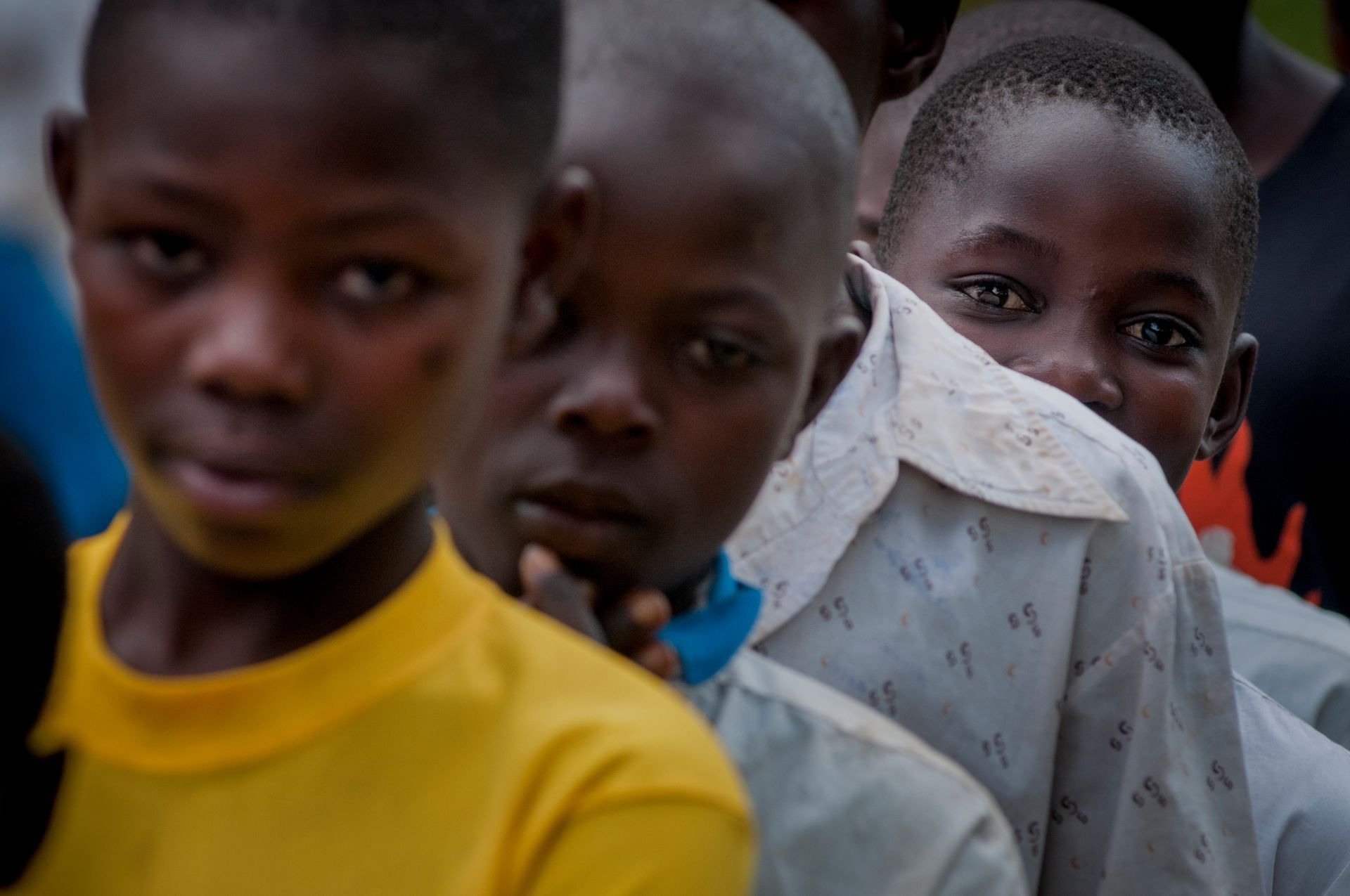
For Boys
Adolescence is a critical period when boys develop their understanding of masculinity, relationships, gender roles, and their bodies. Supporting boys includes helping them understand and manage emotions, build resilience, develop healthy coping strategies, and gain knowledge of their anatomy and health. Accurate health education and positive role models can challenge harmful gender norms, promote healthy relationships, and reduce behaviors such as unsafe sex, sexual harassment, and violence. Creating lasting change for girls and women requires engaging boys as partners in building healthy, respectful, and equitable relationships.
The Adolescent Health and Vocational Center
In response to these challenges, BKB is establishing an Adolescent Health and Vocational Center in Kisubi, Wakiso District — a holistic, community-rooted hub designed to break the interlocking cycles of poverty, school dropout, early pregnancy, and gender inequality. The Center operates through two integrated pillars, with a peer-led outreach component launching during phase 2 of the program.
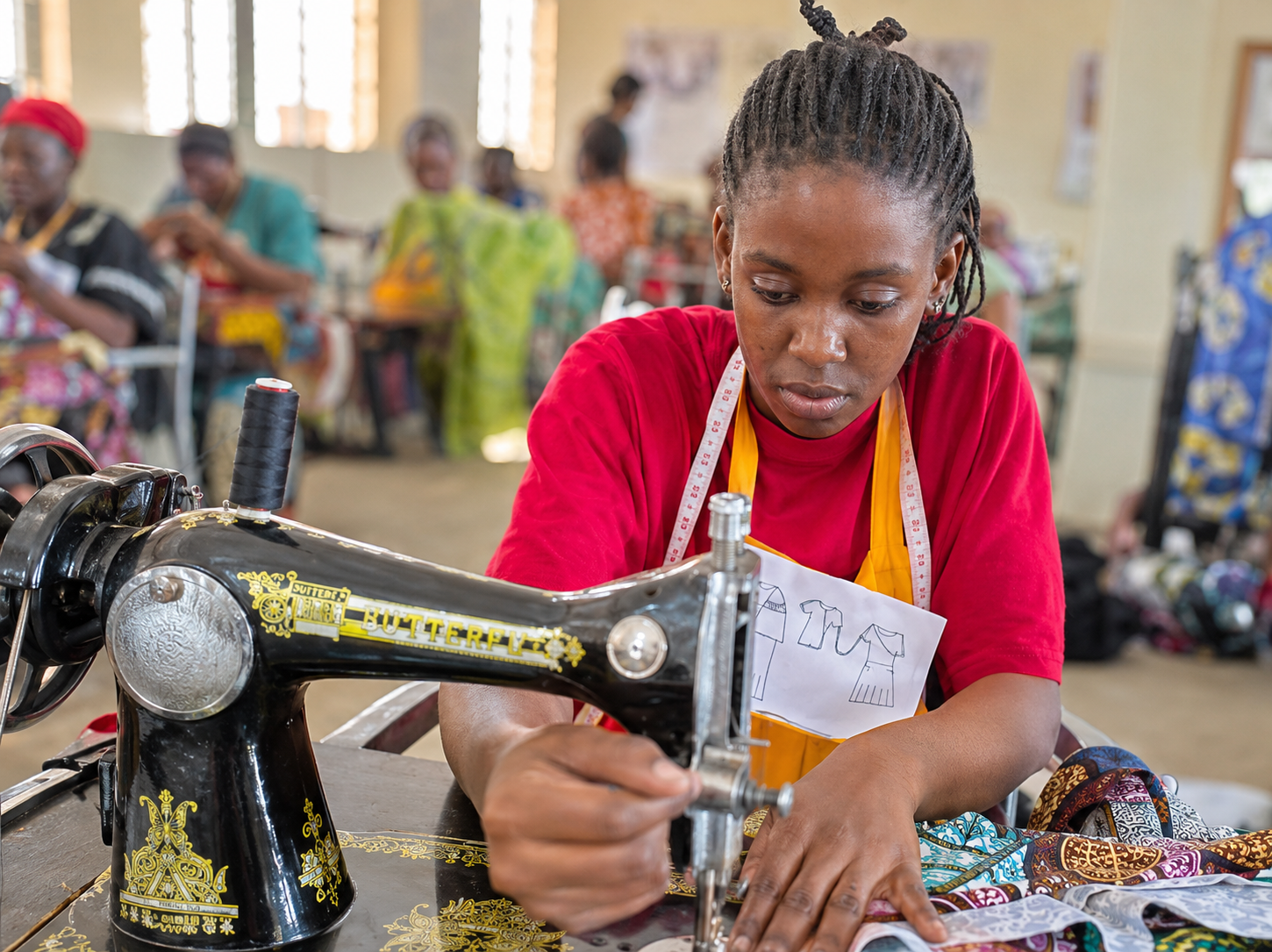
The Center operates within Uganda’s formally recognized Non-Formal Skills Training pathway, giving graduates credentials that strengthen their prospects for employment and entrepreneurship. For girls who have left school, it provides a legitimate, structured pathway to skills, economic opportunity, and independence.
The Center also creates a safe, youth-friendly space for health conversations that may be difficult to address at home or in school. Adolescents receive accurate health information, confidential individual and group counseling, menstrual health kits, and referrals for HIV testing and counseling.
Parents, teachers, and community leaders are engaged to address harmful norms and create supportive environments around young people. This integrated approach combines skills development, health education, psychosocial support, and community engagement to help adolescents build healthier and more secure futures.

Our Approach
The Center is grounded in three mutually reinforcing principles:
Gender-Transformative.
The Center goes beyond service delivery to actively address the norms and structural barriers that limit girls' lives. Boys, parents, teachers, and community leaders are engaged as agents of change — because sustainable gender equity requires shifting the environment around girls, not only building their individual capabilities.
Holistic Adolescent Development.
Vocational skills, health education, psychosocial support, and peer mentorship are integrated by design, not siloed. Evidence from Uganda and across sub-Saharan Africa shows that programs addressing multiple dimensions of adolescence simultaneously produce meaningfully better outcomes than single-sector approaches.
Community-Embedded.
BKB's 25 years of working across 55 districts and 630 villages in Uganda is not incidental background — it is a core program asset. Established relationships with local leaders, schools, and health facilities mean the Center builds on a foundation of community trust. A Center that is locally owned, locally staffed, and locally valued is one that can sustain and grow beyond any single funding cycle.